
Caring for Coated Garage Floors and Sealed Pavers in South Florida
A coated floor or sealed paver surface lasts longer with a little routine care. Here is what to do, what to avoid, and when professional cleaning helps.
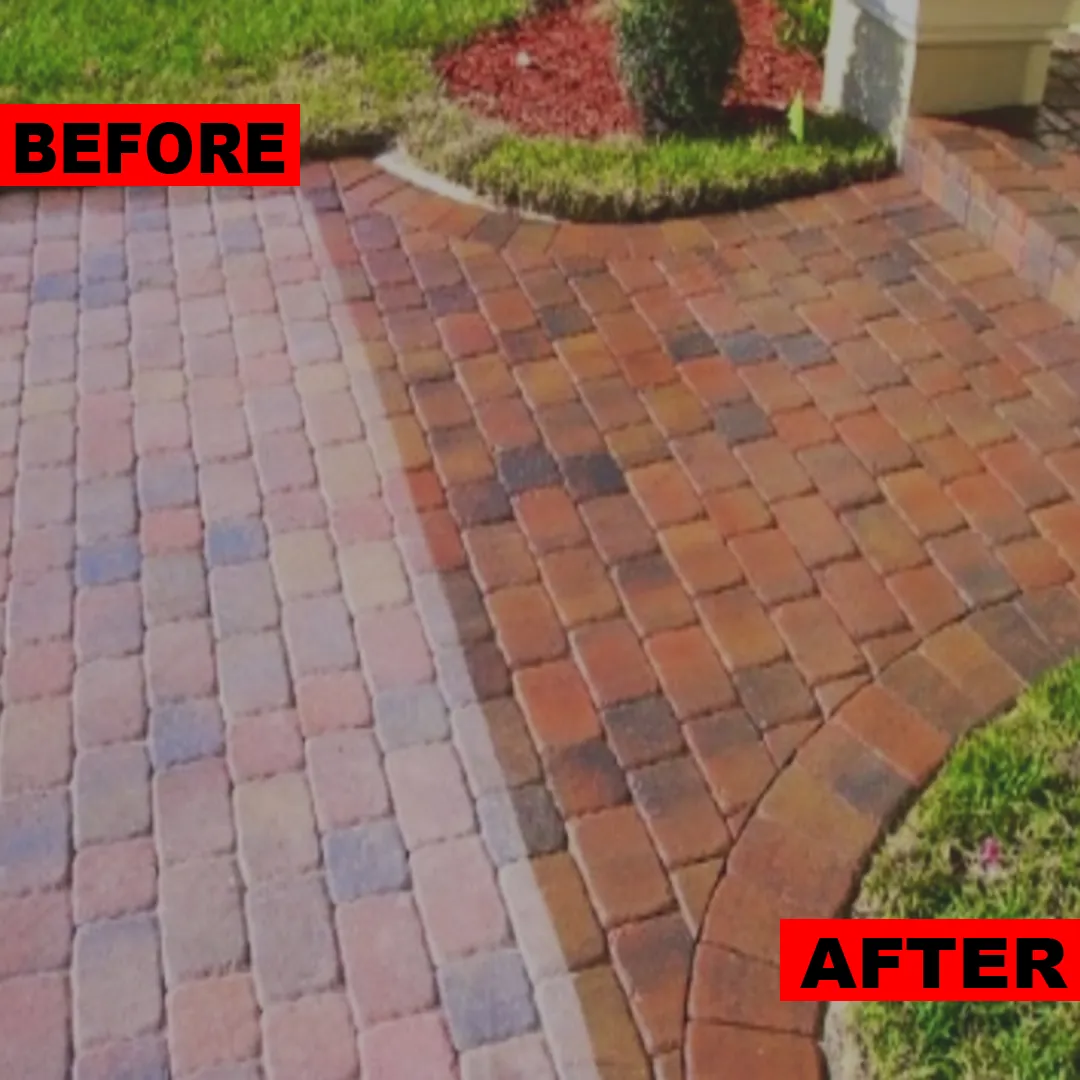
A new coating or sealer makes a property look sharp, but how long it keeps looking that way depends partly on what happens afterward. The good news is that routine care is simple and does not take much time. This guide covers coated garage floors, sealed pavers and tile roofs, with plain advice that fits South Florida's sun, humidity and rain.
Caring for a coated garage floor
A properly installed coating is built to be easy to live with. Most of its care is about keeping abrasive grit off it and avoiding a few products that do not belong on it.
Sweep and dust-mop regularly
Sand and grit act like fine sandpaper under tires and shoes. Sweeping or dust-mopping every week or so removes it before it dulls the surface. This matters more in coastal areas where sand tracks in easily.
Wipe up spills promptly
Coated floors resist many household spills, but it is still smart to wipe oil, antifreeze, brake fluid, fertilizer and pool chemicals soon after they land. Prolonged contact with harsh chemicals can stain or damage almost any surface.
Use mats and pads where it makes sense
- Place a mat under a car that tends to drip
- Put pads under bike stands, jack stands and heavy equipment
- Use rubber mats in a home gym area, especially where weights may be dropped
- Avoid dragging heavy items; lift or use a dolly instead
Clean gently
For regular cleaning, warm water, a soft mop or a soft-bristle brush and a mild cleaner are usually enough. Rinse well so no film is left behind, which can make the surface slippery.
Cleaners to avoid
- Strong acids and harsh solvents, which can dull or soften a coating
- Abrasive pads and wire brushes, which can scratch the surface
- Heavily scented or oily cleaners that leave a residue
- Anything that is not recommended for coated floors; when in doubt, test a small corner first
If you are unsure about a product, ask us before using it. Following the care instructions you receive after your job is always the best guide for your specific floor.
Caring for sealed pavers
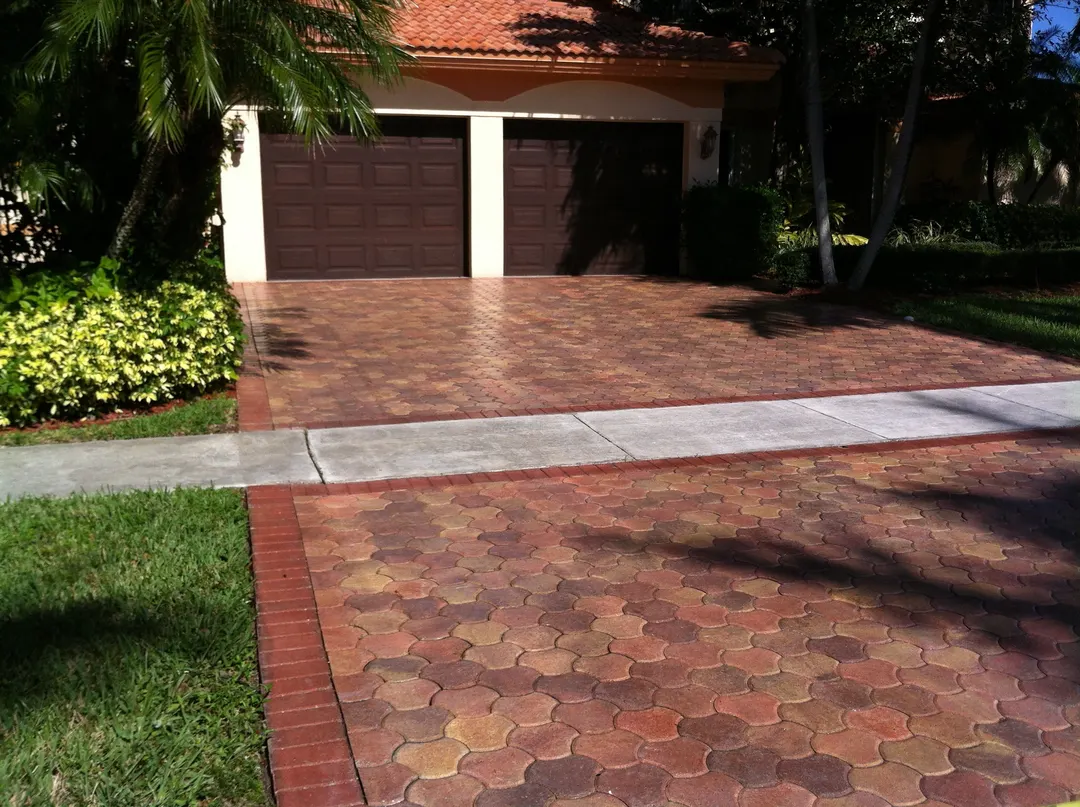
Pavers are a South Florida favorite for driveways, pool decks, patios and walkways. Sealing helps them hold their color, resist stains and keep sand in the joints. It is not a one-time job, though. Sealed pavers still need some upkeep, and the sealer itself wears over time.
When to re-seal
There is no single schedule. How soon a surface needs re-sealing depends on foot and vehicle traffic, sun exposure, rain, the type of paver and the sealer used. Signs that it may be time include dull or faded color, water soaking in instead of beading, and stains that are suddenly harder to clean. A professional assessment can tell you where yours stands. This is why our paver sealing service is a full clean, seal and maintain process rather than a single coat and goodbye.
Efflorescence
Sometimes pavers show a whitish haze. That is efflorescence, a natural mineral deposit that moves to the surface as moisture passes through concrete or masonry. It is common in humid climates. It is usually cosmetic, but it should be dealt with before sealing, because sealing over it can lock it in. If you notice it, mention it at your estimate.
Weeds and ants in the joints
The joints between pavers are where the trouble starts. Weeds sprout in the gaps and ants like to tunnel through loose sand. Keeping the joints full and stable discourages both. Pull small weeds early, and if you notice sand washing out, add it back or have the joints re-filled during the next service.
Joint sand
Joint sand locks pavers together and keeps them level. Heavy rain, pressure washing done carelessly and settling can all wash it out. When joint sand is low, pavers can shift and water can undermine the base. Topping up the sand is a small job that prevents bigger problems.
When to pressure wash or soft wash
Regular rinsing is fine, but periodic washing removes the algae, mildew and grime that build up in a humid climate. The key is using the right method for the surface.
- Concrete driveways, walkways and pool decks often respond well to pressure cleaning done with care.
- Pavers need a controlled approach so the surface and joint sand are not stripped away.
- Painted walls, screens and delicate surfaces usually call for a lower-pressure soft wash.
- Coated floors typically need only gentle cleaning, not high-pressure washing.
Too much pressure can etch concrete, damage sealer and push water where it does not belong. If you are unsure, it is worth leaving it to someone who adjusts the method to the surface. For sealed pavers, a wash is often followed by re-sealing when the sealer has worn.
Tile roof algae basics
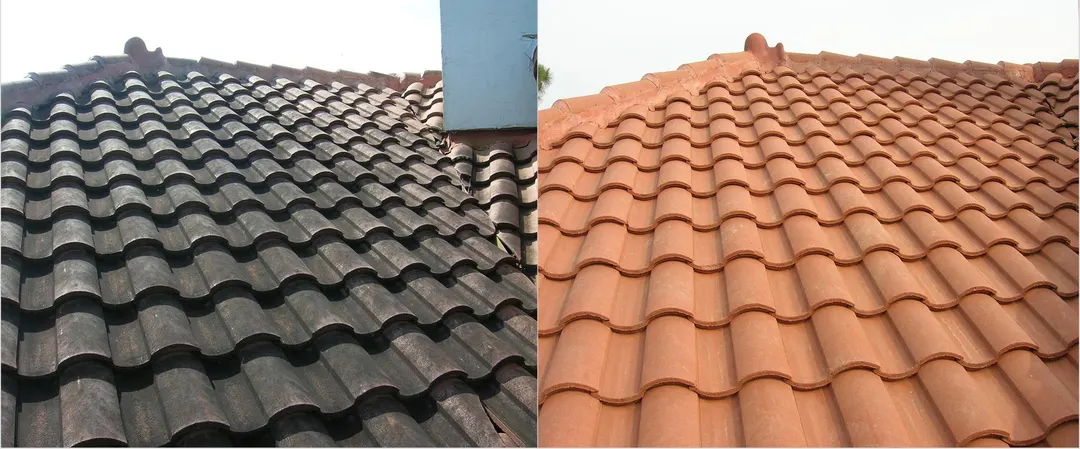
Those dark streaks on tile roofs are usually algae, and sometimes mildew or moss, feeding on moisture and organic debris. They are common in South Florida and are mostly a cosmetic issue at first, but they can hold moisture against the roof and are best not ignored for years.
- Do not scrub or blast a tile roof with a standard pressure washer. Tiles can crack, lose their surface or loosen.
- Avoid walking on tiles unnecessarily, since they can break underfoot.
- Trim back overhanging branches so less debris and shade collects on the roof.
- Keep gutters and valleys clear so water drains instead of lingering.
A professional roof cleaning adapts the method to the roof material and is chosen to avoid damaging tiles and landscaping. It is best left to someone with the right equipment and fall protection, because roofs are a hazardous place to work.
A simple seasonal routine
- Weekly: sweep the garage floor and any paver areas that collect leaves and sand.
- As needed: wipe spills and pull small weeds from paver joints.
- Before and after the rainy season: check drainage, gutters and joint sand, and look for early algae growth.
- Yearly: look closely at pavers, coated floors and the roof, and decide whether a cleaning or re-seal is due.
Keeping HOAs and neighbors happy
Many HOAs have expectations for how driveways, roofs and exteriors should look, and many require approval for exterior work. Regular upkeep is one of the easiest ways to stay on the right side of community standards. If you need documentation for a board request, we can provide the details your board typically asks for.
When to call us
If your coated floor looks worn, your pavers are fading or sinking, your joints are losing sand, or your roof is streaked, we can take a look. We will explain what the surface needs and recommend a plan, whether that is a simple wash, a re-seal or a fresh coating. If you are still deciding on a floor system, start with our post on choosing a garage floor coating.
Estimates are free, and we reply within 1 business day.